Police deploy facial recognition technology to help identify criminals and safeguard vulnerable people
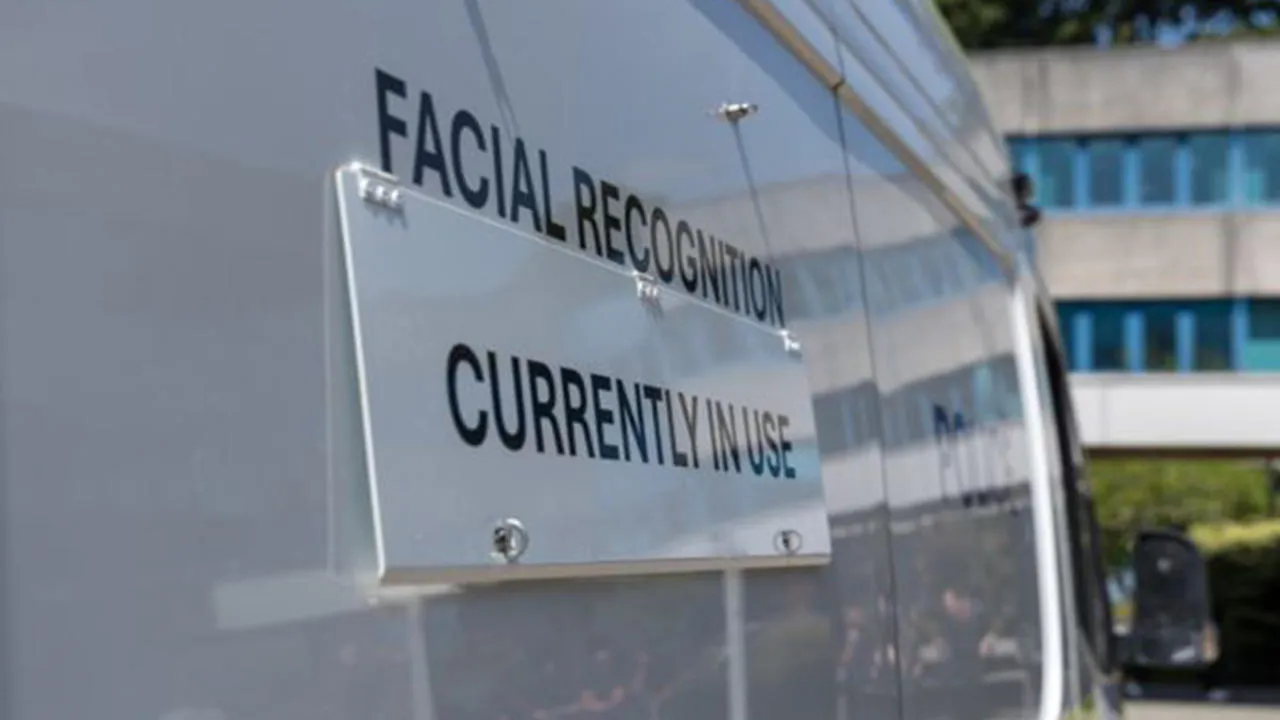
Nottinghamshire Police will be deploying facial recognition technology to identify criminals and safeguard vulnerable people.
The technology will be built into a marked police van, which has a 360-degree dual camera system, enabling officers to cover a large area.
Officers will create 'a watchlist' of those suspected of serious crimes, which could include robbery, burglary and sexual offences.
The technology will alert officers once it identifies one of the individuals on the list, with officers then engaging with that individual to assess whether further action is needed.
The technology has been used across other forces and is an additional tool to keep the city and county safe from criminality and to protect vulnerable people.
Detective Superintendent Will Henley, who is leading the project, said:
"If you aren’t entering the city or county to commit crime then you have nothing to worry about. This new technology is not interested in tracking your movements.
"This technology is designed to identify those faces we have inputted into the system who are wanted for crimes or in need of safeguarding such as locating missing people.
"The technology will always be used fairly and proportionately to the area it is deployed.
"This will not replace police officers. This technology will work with them to ensure we have the best chance of identifying those causing the most harm to your local community.
"It will be the police officers who make the decision not the technology on the next actions to take. This is very much an intelligence tool.
"To reassure the community, as we know the technology has raised concerns in other parts of the country, the software erases every facial scan within seconds if no match is identified, so nothing is retained.
"Our view is very simple - why would we not use this innovative technology to find offenders and protect the public from becoming potential victims of crime?"
How does it work?
The marked van is situated in a public place. A facial recognition camera on this van is scanning the faces of people as they pass by.
The camera compares people’s faces against a unique list of police images we have submitted into the system, which we are calling our watchlist.
The technology takes measurements of facial features, such as the distance between the eye and the length of the jawline to create a unique set of biometric data.
Those wearing face-coverings to disguise their identity and evade arrest can still be identified.
The technology will alert a police officer on the ground of a potential match.
A police officer will then review the match and approach the individual. If they are not the individual, then there will be no further action.
The marked van also works as a deterrent and will hopefully prevent further criminality from occurring when it is deployed across our neighbourhoods.
When will the technology be used?
Facial recognition is intelligence-led, and the public will always be notified in advance of its deployment.
The watchlist will be updated for every deployment.
For example, there may be banning orders in place for certain individuals not to enter a particular area such as the city centre.
We may upload their images onto our system to make sure they are not breaching their order.
Why is this technology needed?
Facial recognition is just another tool to fight crime.
It will be used to reassure the public, identify people suspected of criminal activity or those who have outstanding warrants.
It is also used to protect the most vulnerable people in our communities, for example, locating missing people or those who need to be found urgently due to their vulnerabilities.
Officers will still be briefed daily about potential criminals who remain at large or might be involved in a particular crime. This will continue including the traditional methods of finding them. This technology will only complement this process.
It is not the computer saying ‘yes or no’ when an alert is issued. The officer on the ground will still need to carry out the relevant checks.
This is still about officers making the decisions and not the technology.
Is the technology accurate and what will be done with my image?
It is lawful for police to overtly deploy facial recognition, which has gone through rigorous independent testing.
We understand how to operate this software, so it does not discriminate on the grounds of gender, age or race.
The facial recognition vans have clear signs on the outside and there is also signage in the area to tell people it is being operated.
There are also operational staff on the ground to monitor alerts and speak to the public if they have questions about the technology.
The results of our deployments will be posted on our website.
None of the facial recognition scans are stored and will be deleted within seconds.