Nearly £300,000 awarded to help domestic and sexual abuse survivors
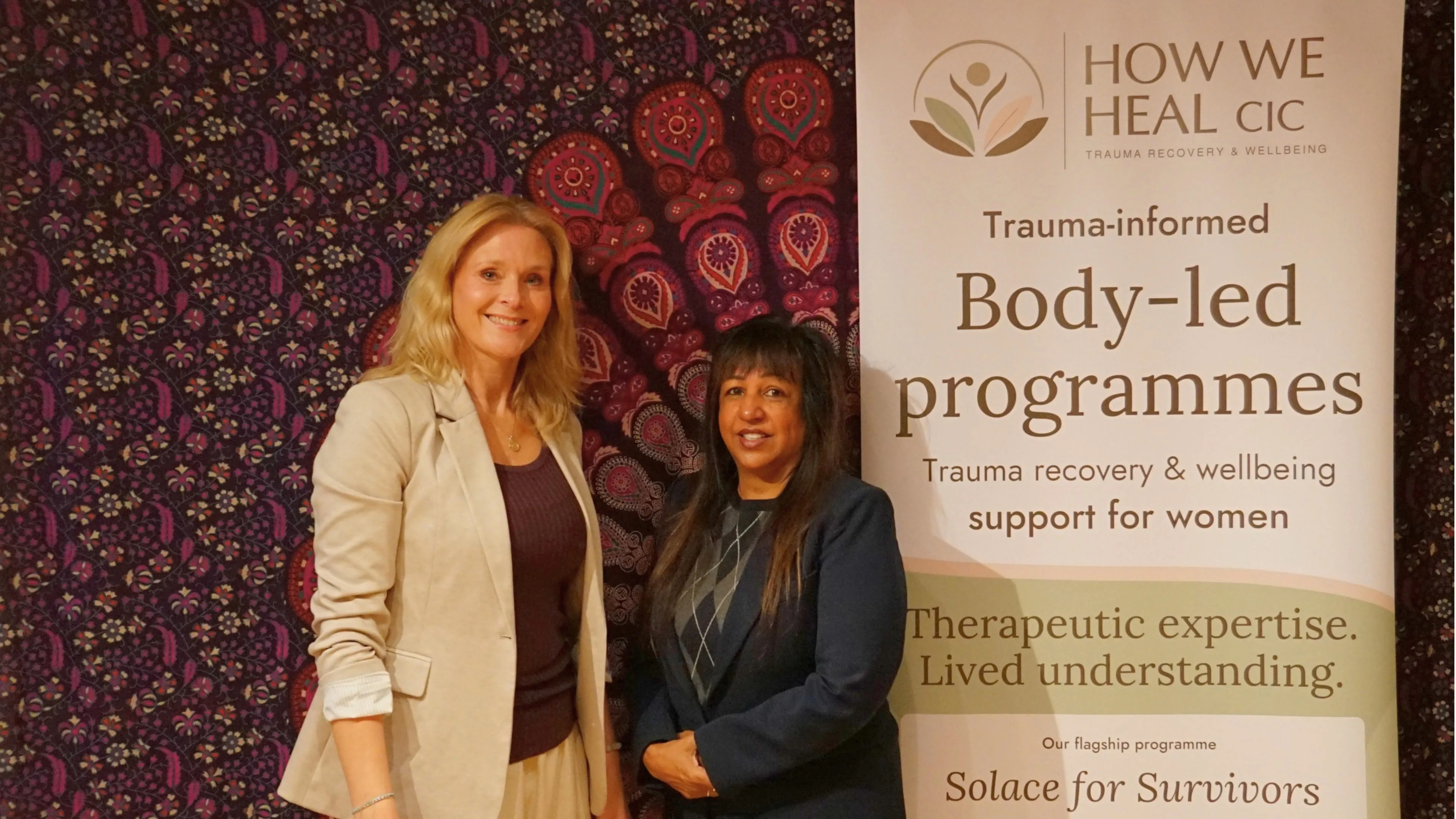
An innovative programme using therapeutic yoga and body-based techniques to help women recover from domestic abuse is among eight projects receiving nearly £300,000 in new funding from Nottinghamshire’s Police and Crime Commissioner Gary Godden.
How We Heal CIC, who operate across the city and county, has secured £29,142.50 to deliver seven Solace for Survivors programmes, offering a different approach to recovery for women who have experienced domestic abuse.
The project is among eight successful applications to the Office of the Police and Crime Commissioner for Nottinghamshire’s Domestic and Sexual Violence and Abuse (DSVA) Grants Programme, with a total of £295,893.84 awarded to organisations supporting victims and survivors across the city and county.
The funding, covering October 2026 to March 2028, will support a wide range of specialist services, from counselling and early intervention to outreach, children’s therapy and support for survivors facing additional barriers to accessing help.
For How We Heal CIC, which is receiving funding from the PCC’s Office for the first time, the investment will provide an opportunity to deliver a distinctive form of trauma-informed recovery support.
Its Solace for Survivors programme recognises that the effects of domestic abuse are not always limited to a person’s emotional wellbeing, but can also affect how they experience stress, safety and their relationship with their own body.
Through a combination of therapeutic yoga, psychoeducation and somatic practices, approaches which focus on recognising and responding to physical sensations, the programme aims to help women manage the lasting effects of trauma, support emotional regulation and rebuild their sense of wellbeing.
Rather than focusing solely on talking about traumatic experiences, the group-based sessions will provide an additional pathway for women to explore recovery in a supportive, trauma-informed environment.
The investment reflects a wider ambition to ensure that survivors can access different forms of support depending on their experiences, circumstances and individual needs.
Deputy Police and Crime Commissioner Angela Kandola, who leads on Violence Against Women and Girls (VAWG) for the Office of the Police and Crime Commissioner, said: “Domestic and sexual abuse can have devastating and long-lasting consequences, and we know that no two survivors will experience abuse or recover from it in exactly the same way. That’s why it’s so important that we invest in a diverse range of specialist services which recognise those different experiences and provide support that works for the individual.
“I’m particularly pleased that we’re able to support How We Heal CIC for the first time. Their approach offers something different, recognising that trauma doesn’t just affect someone’s mental and emotional wellbeing, but can also have a profound impact on their physical wellbeing. Giving survivors more choice in how they access support and begin to rebuild their lives is incredibly important.
“At the same time, this funding allows us to continue supporting organisations already making a difference across Nottinghamshire, while investing in projects that reach people who might otherwise struggle to access help.
“Whether that’s children growing up with domestic abuse, women facing cultural or language barriers, or survivors who have carried the effects of trauma for many years, our message is clear: everyone deserves access to compassionate, specialist support.
“By investing nearly £300,000 in these eight organisations, we’re strengthening the services available to victims and survivors and helping ensure that nobody is left without somewhere to turn.”
Donna Navarro, Founder and Director of How We Heal CIC and Solace for Survivors, added: “Domestic abuse can profoundly affect a woman’s sense of safety, autonomy and connection with herself. I developed Solace to support women in rebuilding that connection, bringing together my experience as a probation officer and domestic abuse trainer, my therapeutic training in yoga and somatics, and my lived experience.
“Body-led recovery recognises that the effects of abuse can be felt in the body as well as the mind, making space for women to reconnect with themselves, rebuild a sense of safety and regain trust in their own responses. Solace brings a distinctive approach to domestic abuse recovery in Nottingham, combining specialist therapeutic knowledge, lived experience and body-led practices within a carefully structured, trauma-informed programme.
"We bring together therapeutic yoga, somatic practices and deeply restorative rest with psychoeducation about trauma and the nervous system. This offers women practical ways to understand their experiences, ease tension, find moments of calm and develop self-compassion and confidence in recognising their needs and making their own choices.
"Healing can begin through feeling safe enough to rest, noticing what you need and having those needs respected.
“Choice, consent and compassion guide every session. Within a consistent, carefully structured programme, women can move at their own pace and experience the reassurance and connection of being alongside others who understand.
"Solace can also complement talking therapy and other recovery programmes, recognising that the impact of abuse is both emotional and physical.
“I’m deeply grateful to the Office of the Police and Crime Commissioner for recognising the value of this work. This funding will help us reach more women in Nottinghamshire with specialist, compassionate support and opportunities to reclaim a sense of safety, agency and belonging.”
The latest funding awards also ensure continuity for established services already supporting survivors across Nottinghamshire. They include:
· Al-Hurraya, who operate across the city and county, has secured £75,000 to continue its culturally specific domestic and sexual abuse support for minority ethnic communities.
Its service provides counselling, advocacy and practical assistance in community languages, helping survivors overcome barriers linked to culture, faith, language and immigration status.
· S.H.E. UK (Supporting, Healing, Educating) who operate across the county, has received £36,366 to continue specialist therapeutic support for survivors of childhood sexual abuse, particularly in Bassetlaw.
The funding will maintain existing therapy provision while introducing a telephone support service for people waiting to access therapy, helping reduce isolation and ensuring survivors can receive support while awaiting longer-term treatment.
Both organisations were previously funded until the end of September and have now secured continued investment, enabling their existing work to carry on.
Elsewhere, the grants will help organisations reach people who may not recognise abuse, feel able to disclose their experiences or know where to turn for help. These include:
· Broxtowe Women’s Project, who operate across the county, has been awarded £35,050.62 to develop an earlier pathway into domestic abuse support. Through community engagement, partnership working and awareness-raising, the project aims to help people recognise signs of abuse before situations reach crisis point and improve access to specialist services.
· Nottingham Central Women’s Aid, who operate across the city, will receive £35,356.20 to establish a Community Recovery and Engagement Worker, who will proactively reach women experiencing hidden harm. The role will focus on outreach, awareness-raising and building community relationships, supporting survivors from their initial disclosure through to specialist recovery services.
The programme also recognises the importance of reaching women whose circumstances can make accessing mainstream services particularly difficult.
· Jericho Road Project, who operate across the city, has secured £30,000 for its Hagar Project, supporting women involved in sex work who experience domestic and sexual violence.
Through outreach, community support and prison-based work, the project will create opportunities for women to disclose abuse safely, build trusted relationships and access support which responds to their circumstances.
· Nottingham Women’s Centre, who operate across the city, has been awarded £19,978.52 to deliver its Beautiful Black Minds programme.
The project will provide culturally specific therapeutic groups for Black and dual-heritage women, addressing language, cultural and racial barriers which can prevent survivors from accessing appropriate support.
· Imara CIO, who will operate their project in the county, has secured £35,000 to reintroduce specialist therapeutic support for children in the county following the end of the previous PCC-funded Children Affected by Domestic Abuse (CADA) programme.
Its project will provide arts-based therapy and parent-child therapeutic work for approximately 105 children over 18 months, addressing a gap in specialist support for children experiencing the effects of domestic abuse.